
Lower Secondary
ages 11 to 14
A leap into the future. Pupils consolidate what they learned in Primary, discover new subjects and begin to choose their path, with personal support and the Diplôme National du Brevet as their first goal.
Brevet
First official diploma of the French system, at the end of 3ème
B2
Certified level of French at the end of Collège
+2
Optional languages: German and Latin
20.000
Documents in the CDI, the secondary school library
A leap into the future
The first years of secondary school allow pupils to consolidate the knowledge and skills acquired in Primary and to master them as a whole. The aim is for each pupil to discover for themselves which path they want to take: which subjects, which field of knowledge.
To support this, we offer personalised academic support in 6ème, 5ème and 4ème, which helps pupils through this transition, makes them more independent and prepares them to succeed in 3ème and at the Lycée.
Mastering languages
With solid foundations in French, Spanish and English, it is time to enrich their language and go deeper. Languages remain essential, not only as subjects but as a means of understanding the other subjects: reading a complex question, expressing reasoning precisely. By the end of Collège, pupils reach B2 level in French and sit the Brevet.
What do they learn? Cycle 4: going deeper
Lower Secondary covers the end of Cycle 3 (6ème) and the whole of Cycle 4 (5ème, 4ème, 3ème), which is divided into the Central Cycle (5ème and 4ème) and the Guidance Cycle (3ème).

Language skills
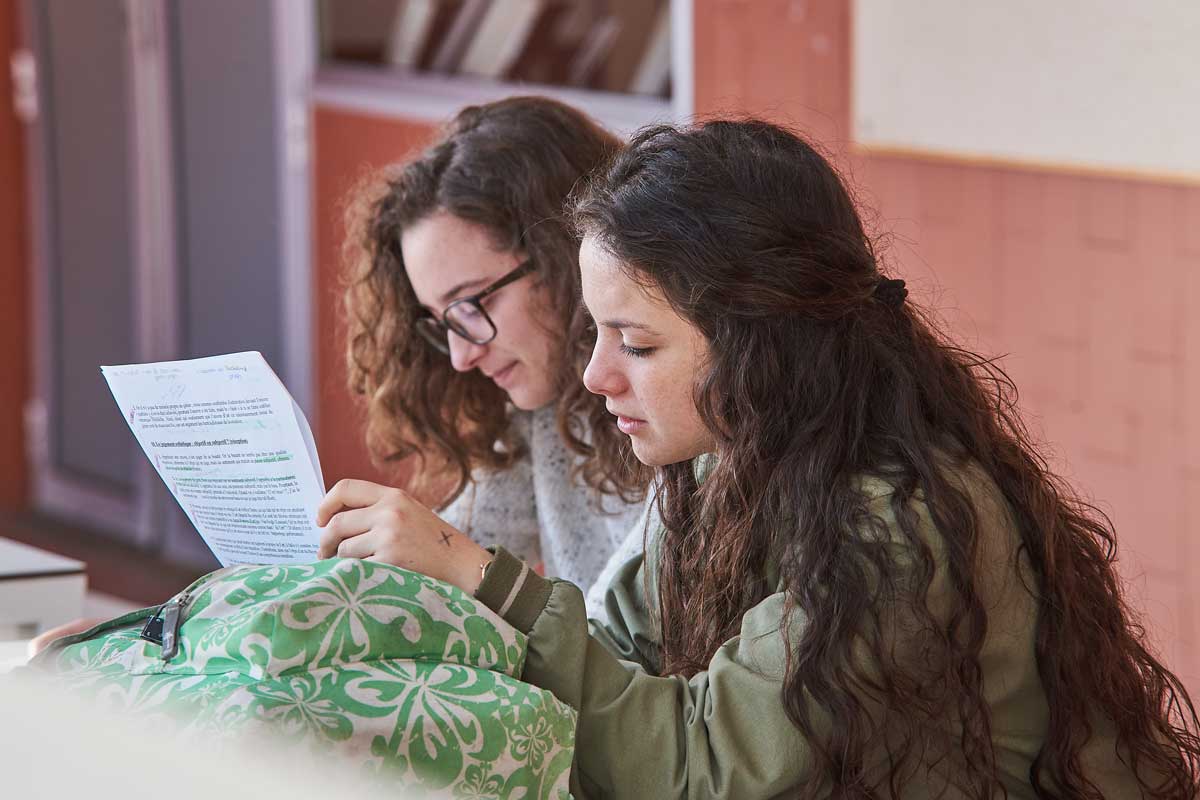
Reading and understanding more complex and technical texts in French, Spanish and English: the key to succeeding at Collège.
New languages
In addition to the three languages, pupils can start German or Latin, and study maths in English.
Humanities
Literature, Geography and History, and debate as a practice: reflecting, arguing, developing critical thinking.
Sciences
Maths, Biology and Geology, Technology from 6ème and Physics-Chemistry from 5ème, always with hands-on work in laboratories and workshops.
Arts
Visual arts and music: new techniques, art history and cultural activities during school hours (museums, theatre, concerts).
Physical education and sport
Healthy habits and values of solidarity, cooperation and teamwork. Sport is also part of the after-school programme.
Digital technologies
Digital tools and resources supporting learning and collaborative work.
Moral and civic education
Rights, duties and citizenship: the subject that shapes tomorrow's citizens, assessed in the Brevet.
How do they learn? Three keys to our secondary school
Independence and responsibility: the School Life department
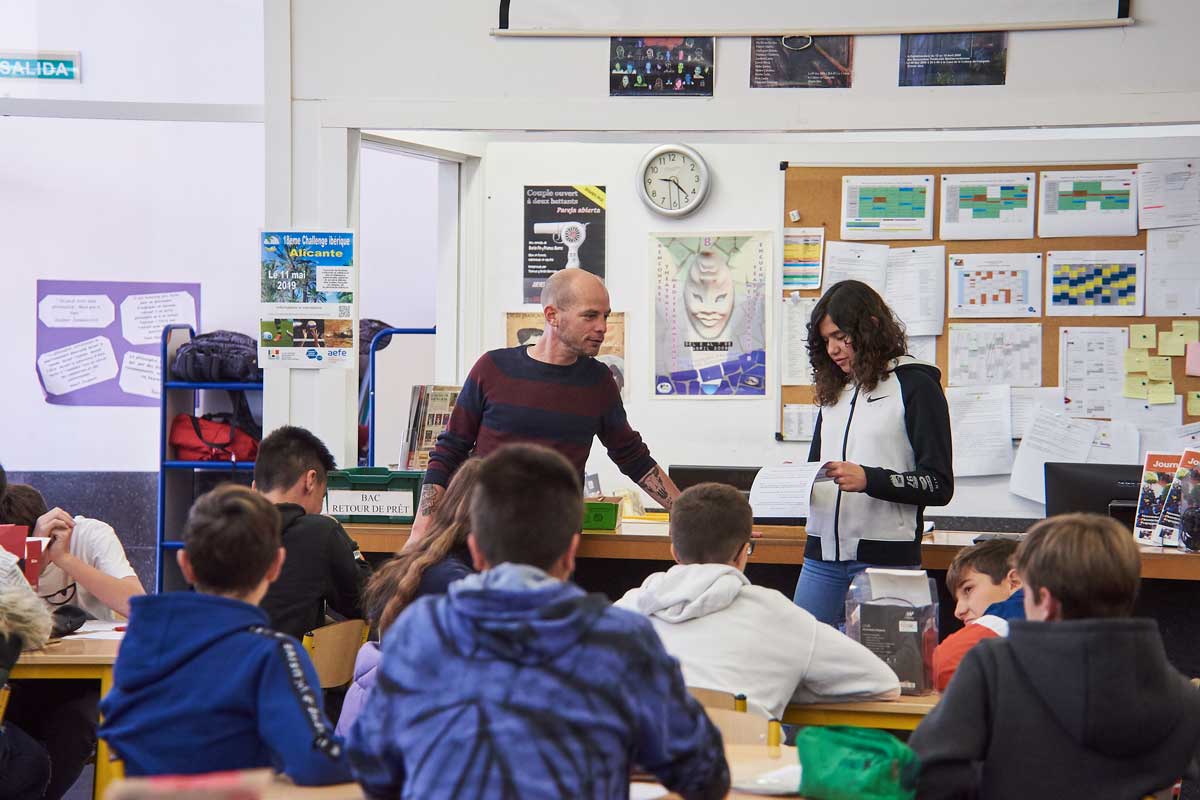
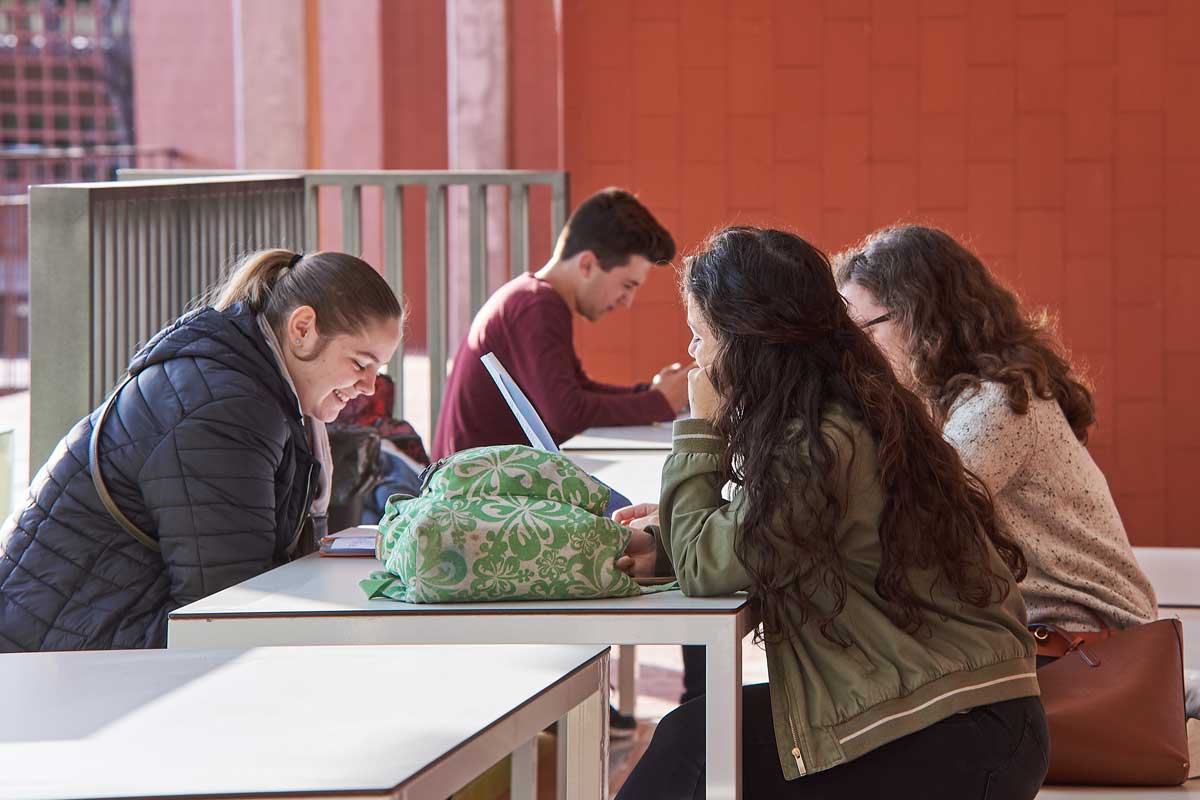
To shape tomorrow’s citizens, the French system encourages pupils’ independence. Not all time at the Lycée is lesson time: there are hours when pupils decide what to do, whether to take part in a project, study or go to the CDI. The School Life department, led by the Senior Education Adviser (CPE), oversees attendance and safety and supports pupils in these choices.
All the information they need: the CDI
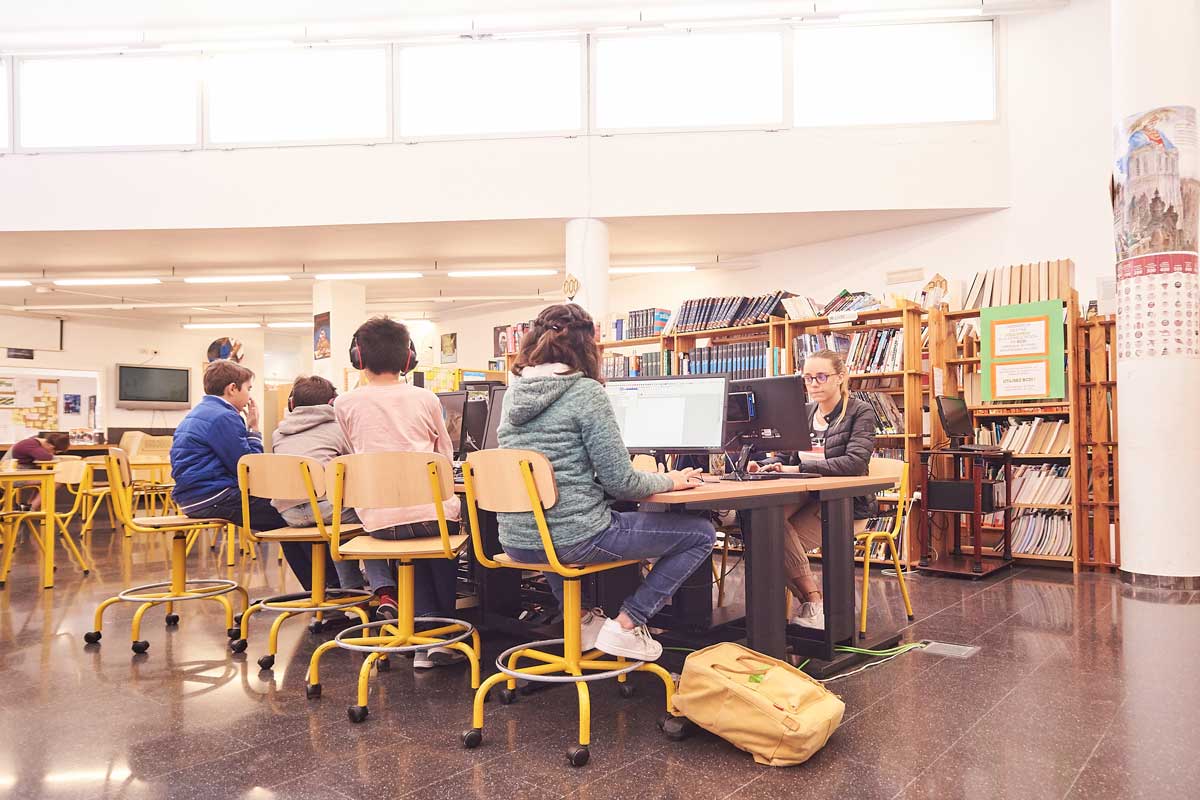
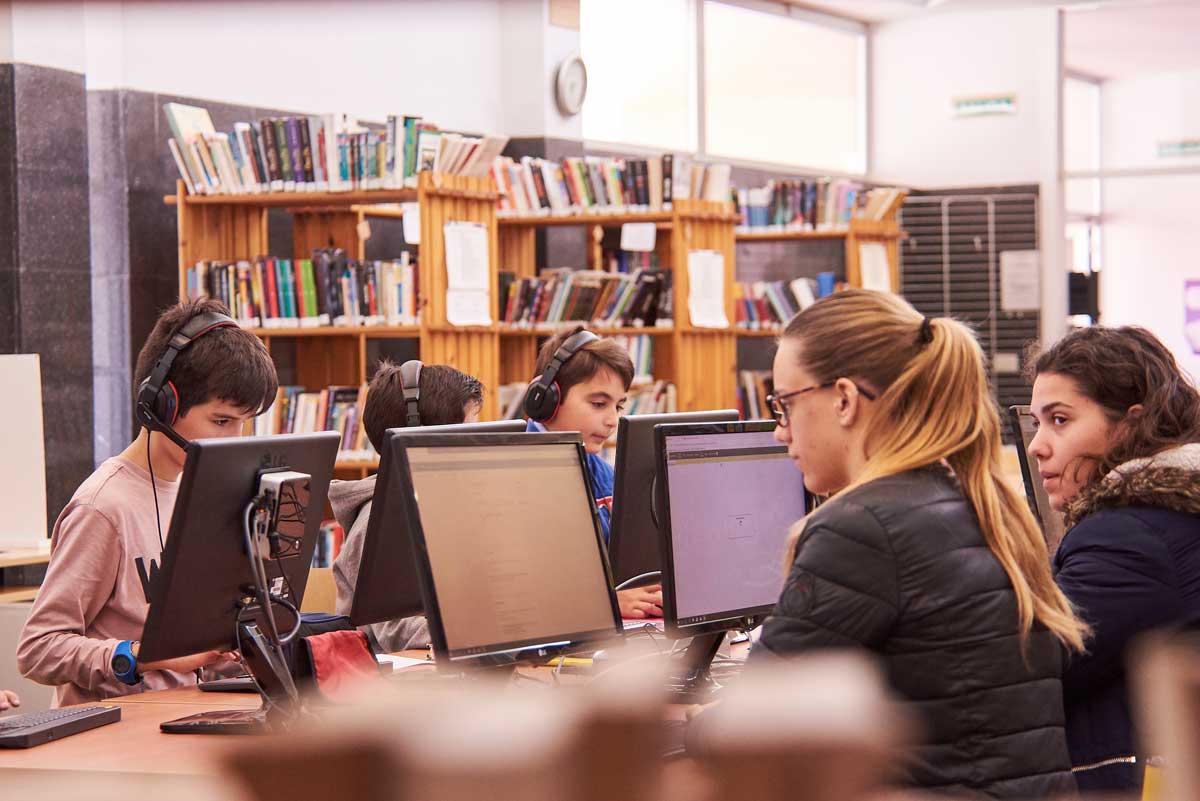
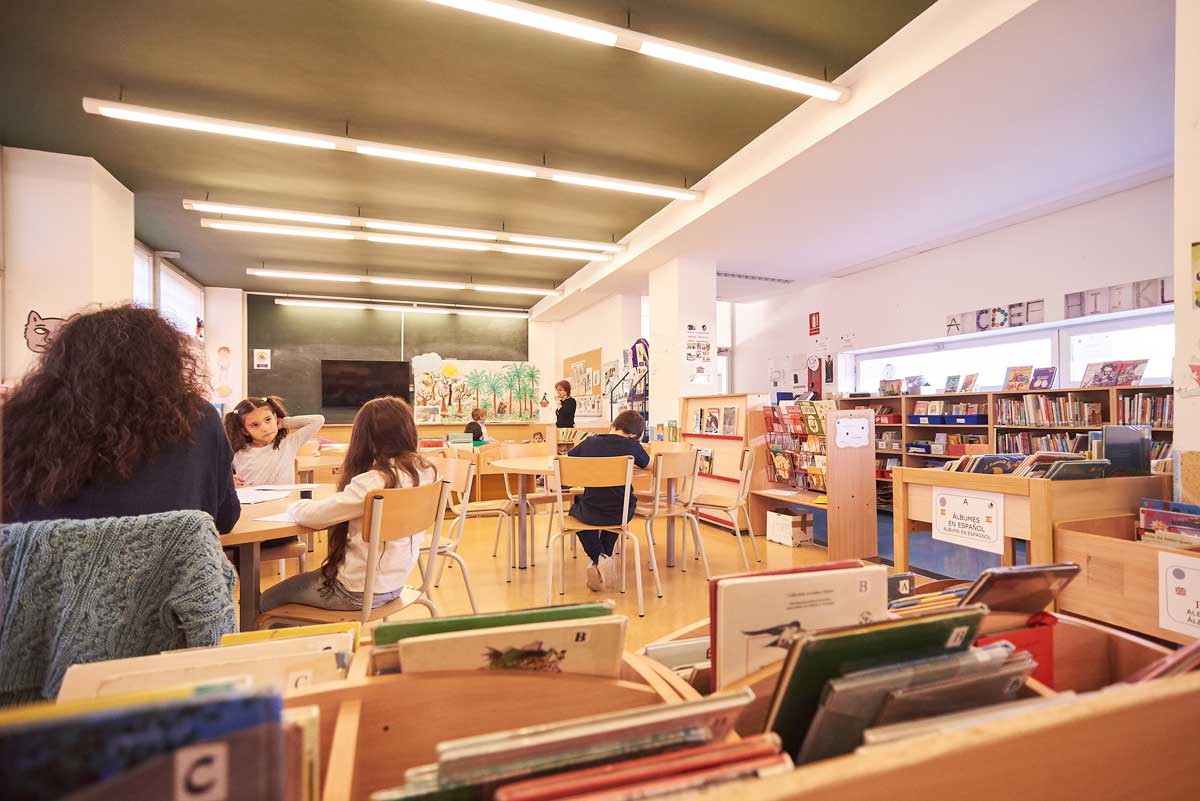
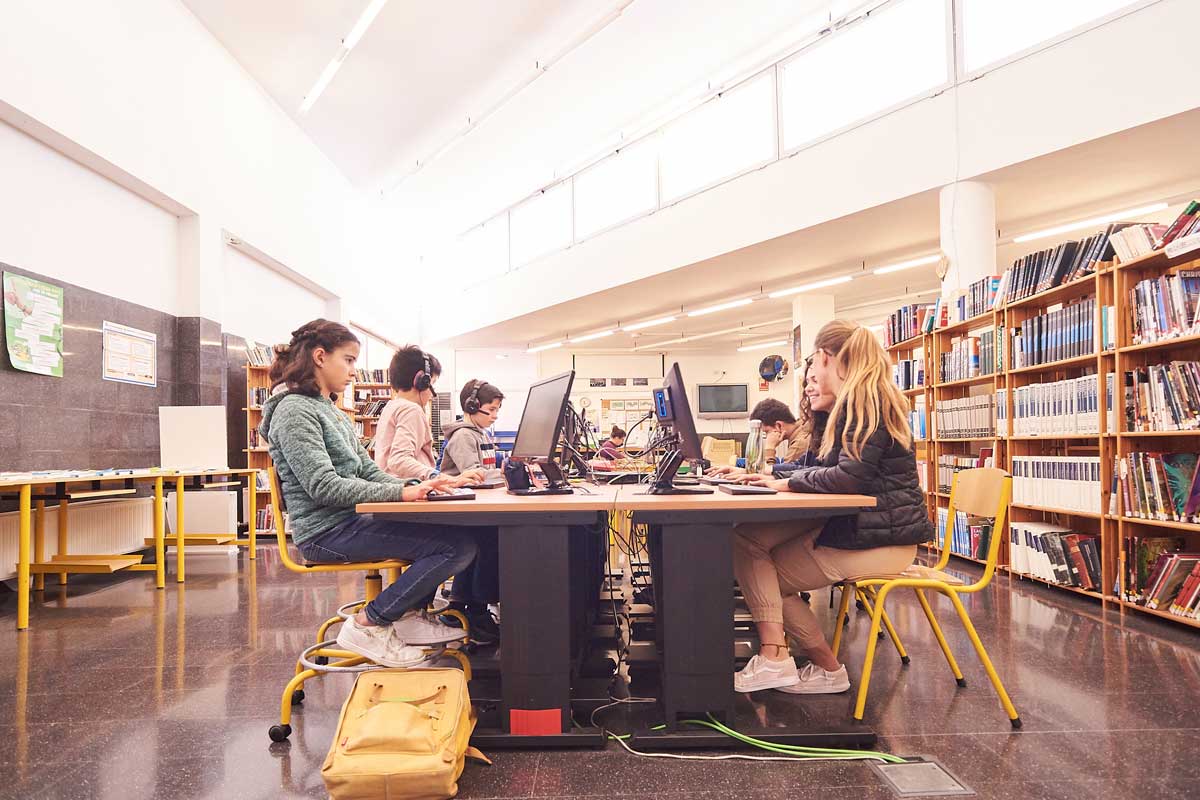
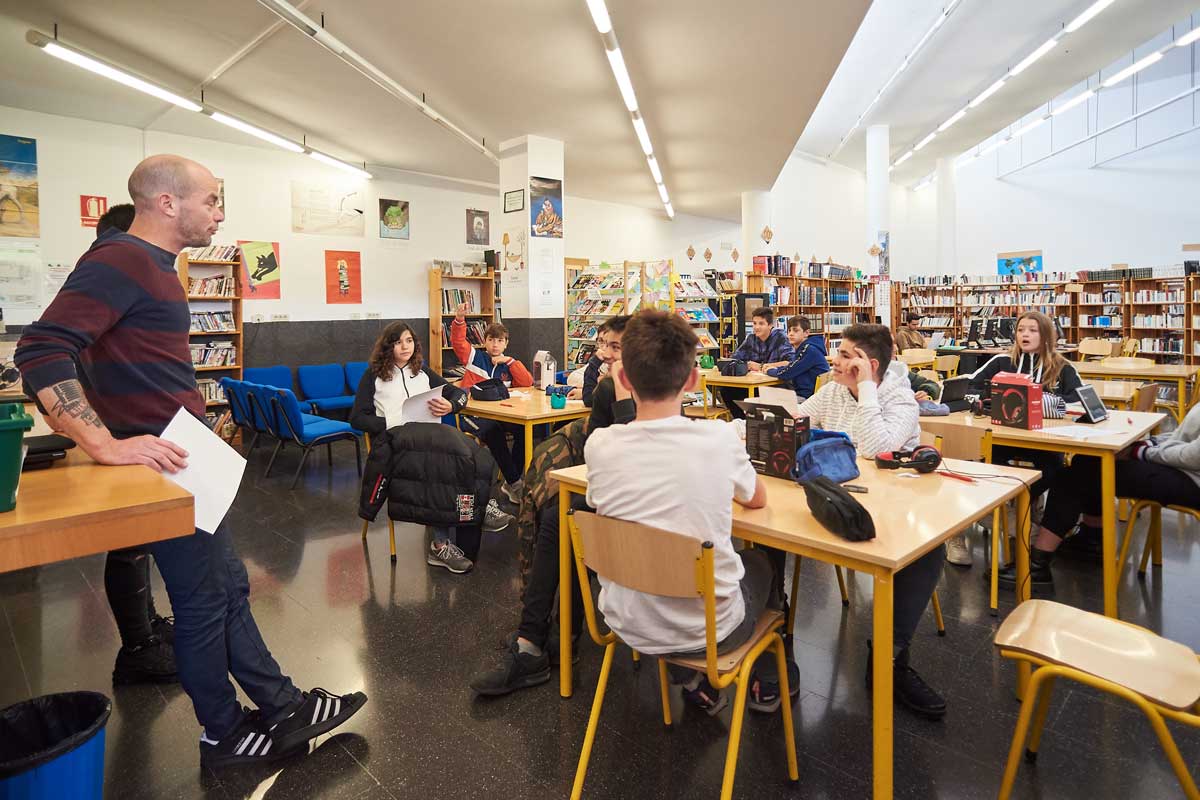
The Documentation and Information Centre is the secondary school library: a place for work, research, reading and exchange. More than 20,000 documents (general, specialist, press, fiction), multimedia resources and computers with internet access and French and international news channels, available to pupils and teachers.
Finding their way: guidance starts here
From 6ème, pupils begin to build their plans for the future. Their first choices come at the end of 6ème: German, Latin, maths in English… A form tutor for each class and the Information and Guidance Lead Teacher (PRIO) support them along a pathway that continues right up to Terminale.
The Brevet: the first official diploma
At the end of 3ème, pupils sit the Diplôme National du Brevet (DNB), the first official diploma of the French education system, recognised as equivalent to the Spanish Graduado en ESO. It is awarded on the basis of continuous assessment throughout 3ème and final exams in June: French, maths, history-geography and moral and civic education, science, and an oral presentation of a project.
The Brevet completes Collège and opens the doors to the Lycée, leading to the Baccalauréat and higher education.
A day in Lower Secondary
| Time | Activity |
|---|---|
| 8:00 | Arrival · attendance checked by School Life |
| Morning | 55-minute lessons: languages, maths, sciences, humanities |
| Midday | Canteen or supervised lunch break · CDI · playground · clubs |
| Afternoon | Lessons, laboratory, PE, study periods |
| 16:00 – 17:00 | Home time depending on timetable · after-school activities |
The timetable varies by year group and day and can be checked on Pronote. Secondary pupils can opt for a supervised lunch break without a meal. Times subject to confirmation.
Lower Secondary
Can my child join Lower Secondary without speaking French?
Up to 6ème, yes, with language support. From 5ème onwards each case is assessed individually: a level test is carried out and the Admissions Committee considers the pupil's chances of success.
Which Spanish year group does each class correspond to?
6ème = 6.º Primaria · 5ème = 1.º ESO · 4ème = 2.º ESO · 3ème = 3.º ESO.
What is the Brevet worth in Spain?
It is recognised as equivalent to the Spanish Graduado en Educación Secundaria Obligatoria (ESO).
When are optional subjects chosen?
At the end of 6ème: German, Latin or maths in English. The form tutor and the PRIO advise each family.